The workshop on Actionable Interpretability@COLM2026 aims to foster discussions on leveraging interpretability insights to drive tangible advancements in AI across diverse domains. We welcome contributions that move beyond theoretical analysis, demonstrating concrete improvements in model alignment, robustness, and real-world applications. Additionally, we seek to explore the challenges inherent in translating interpretability research into actionable impact.
Schedule
| 09:00 | Opening Remarks |
| 09:10 | Keynote Tom McGrath, Goodfire - Ambitious Actionable Interpretability |
| 09:50 | Keynote Dhanya Sridhar, Université de Montréal, Mila - Robust Interpretability with Causal Representation Learning |
| 10:30 | Contributed Talks: |
| Shifting Mechanisms: How Positional Encoding Choice Shapes Long-Context Retrieval | |
| Self-CTRL: Self-Consistency Training with Reinforcement Learning | |
| 10:50 | Poster Session 1 |
| 11:55 | Lunch Break |
| 13:30 | Keynote Yonatan Belinkov, Technion - (Actionable) Interpretability beyond Language |
| 14:10 | Contributed Talks: |
| How Faithful Is Trajectory-Based Data Attribution? Error Sources, Remedies, and Practical Guideline | |
| Verbalizing LLMs’ assumptions to explain and control sycophancy - a realistic scenario, connecting analysis with interpretability and acting on it | |
| 14:25 | Poster Session 2 |
| 15:30 | Group Photo |
| 15:40 | Coffee Break |
| 16:00 | Keynote Christopher Potts, Stanford - Post Hoc, Ergo Propter Data |
| 16:40 | Panel Discussion: Scaling Interpretability - Belinda Zou Li, David Bau, Ekdeep Singh Lubana |
| 17:10 | Closing Remarks |
News
- October 2: You can find the poster assignment here.
- August 24: The poster size will be 34" x 34".
- August 20: There will be no camera-ready version, see CfP page
- July 24: Added a separate submission deadline for fast track submissions (August 9)
- June 15: Submission Deadline extended to June 24 + clarified double submission policy in the CFP
- May 22 2026: Call for Papers published
- May 13 2026: Our workshop was accepted to COLM!
Important Dates
June 24 - Main Submission Deadline
August 9 - COLM Fast Track Submission Deadline (Submission Link)
October 9 - Workshop day
Dates are AOE.
Invited Speakers
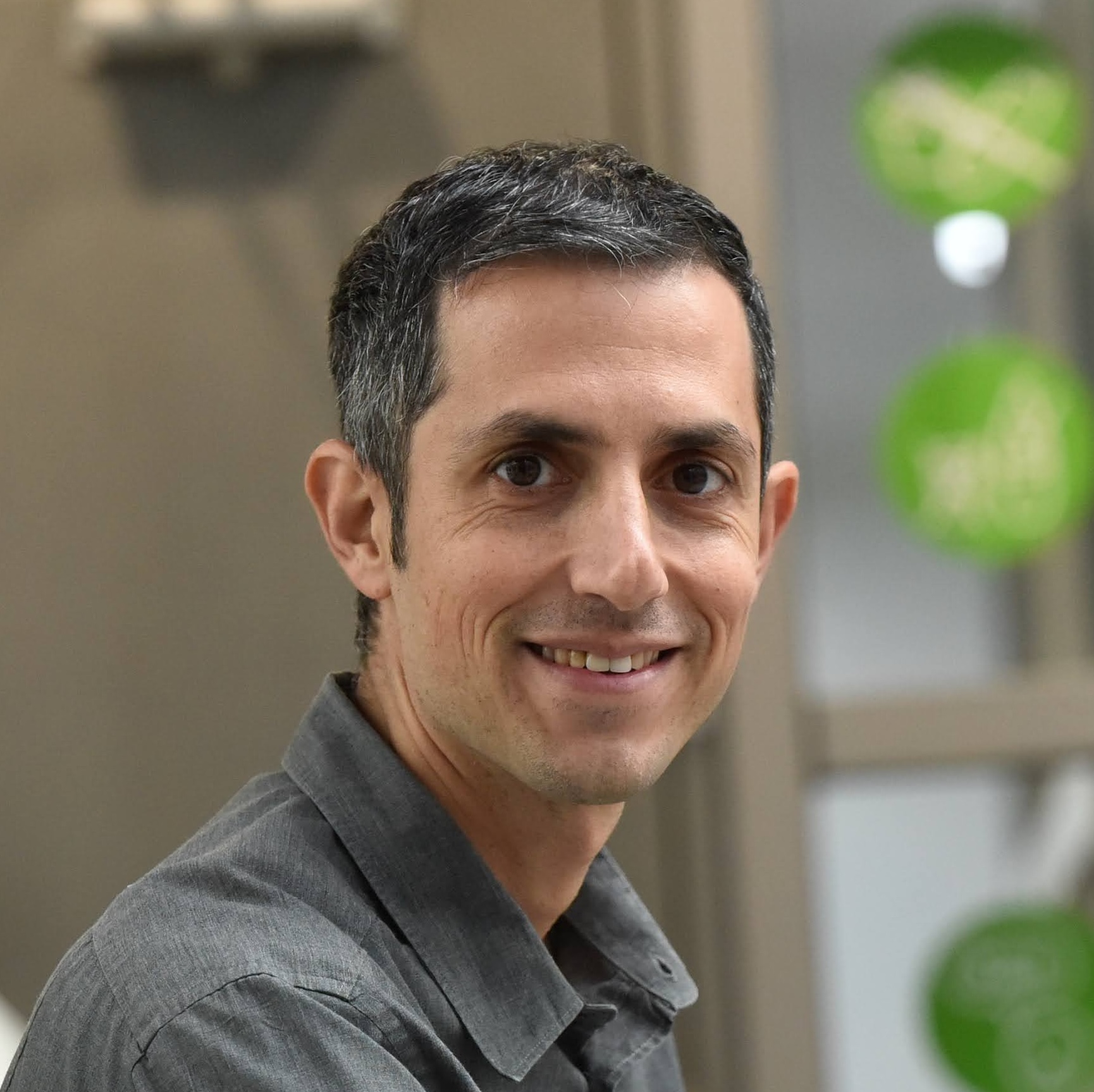
Yonatan Belinkov
Associate Professor, Taub Faculty of Computer Science, Technion
(Actionable) Interpretability beyond Language

Tom McGrath
Chief Scientist, Goodfire
Ambitious actionable interpretability
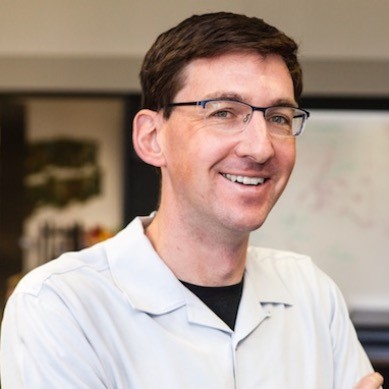
Christopher Potts
Professor of Linguistics and Computer Science, Stanford University
Post Hoc, Ergo Propter Data
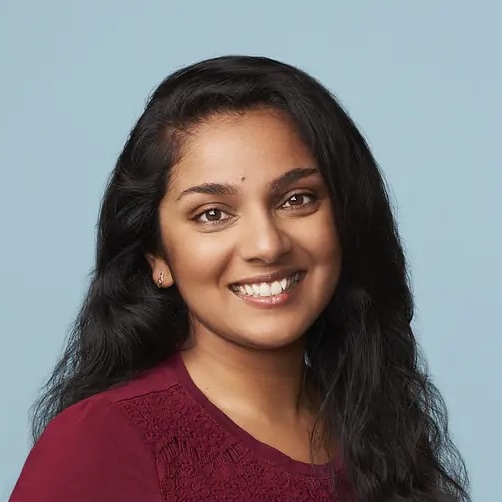
Dhanya Sridhar
Assistant Professor, Université de Montréal, and Core Academic Member of Mila
Robust Interpretability with Causal Representation Learning
Panelists
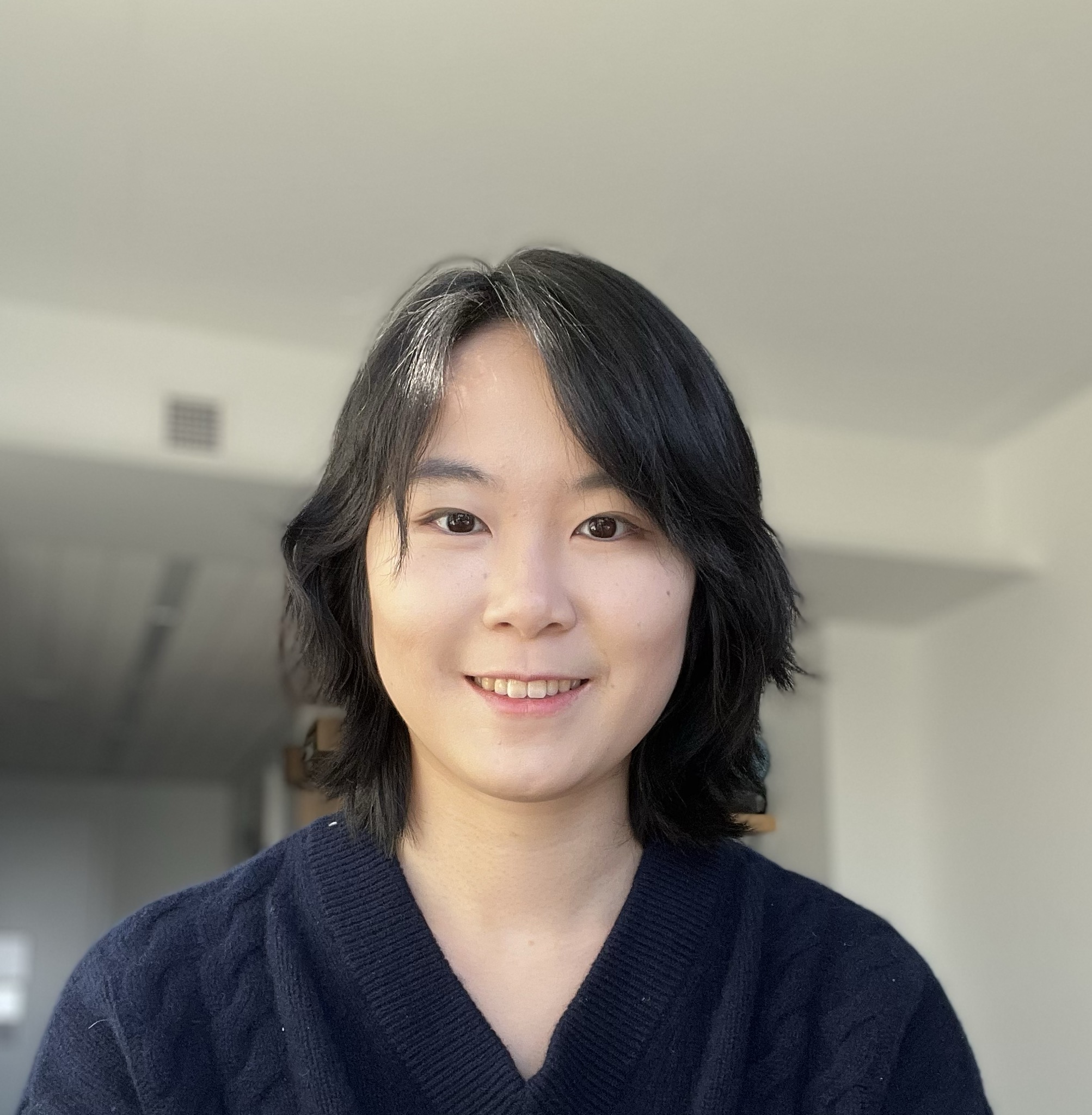
Belinda Zou LiResearcher at Anthropic, incoming Assistant Professor at University of Chicago
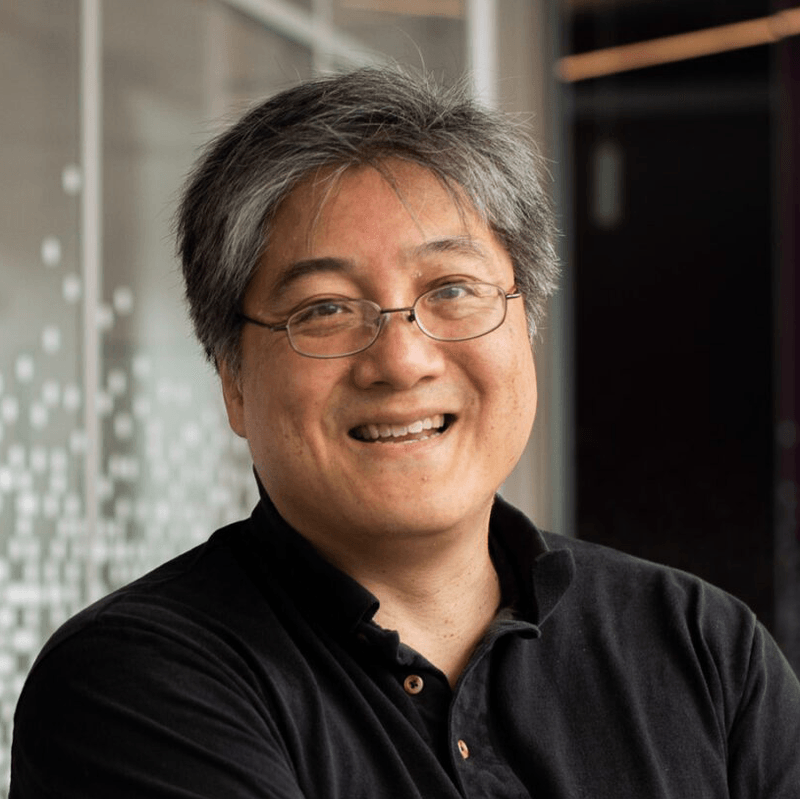
David BauAssistant Professor at Northeastern University
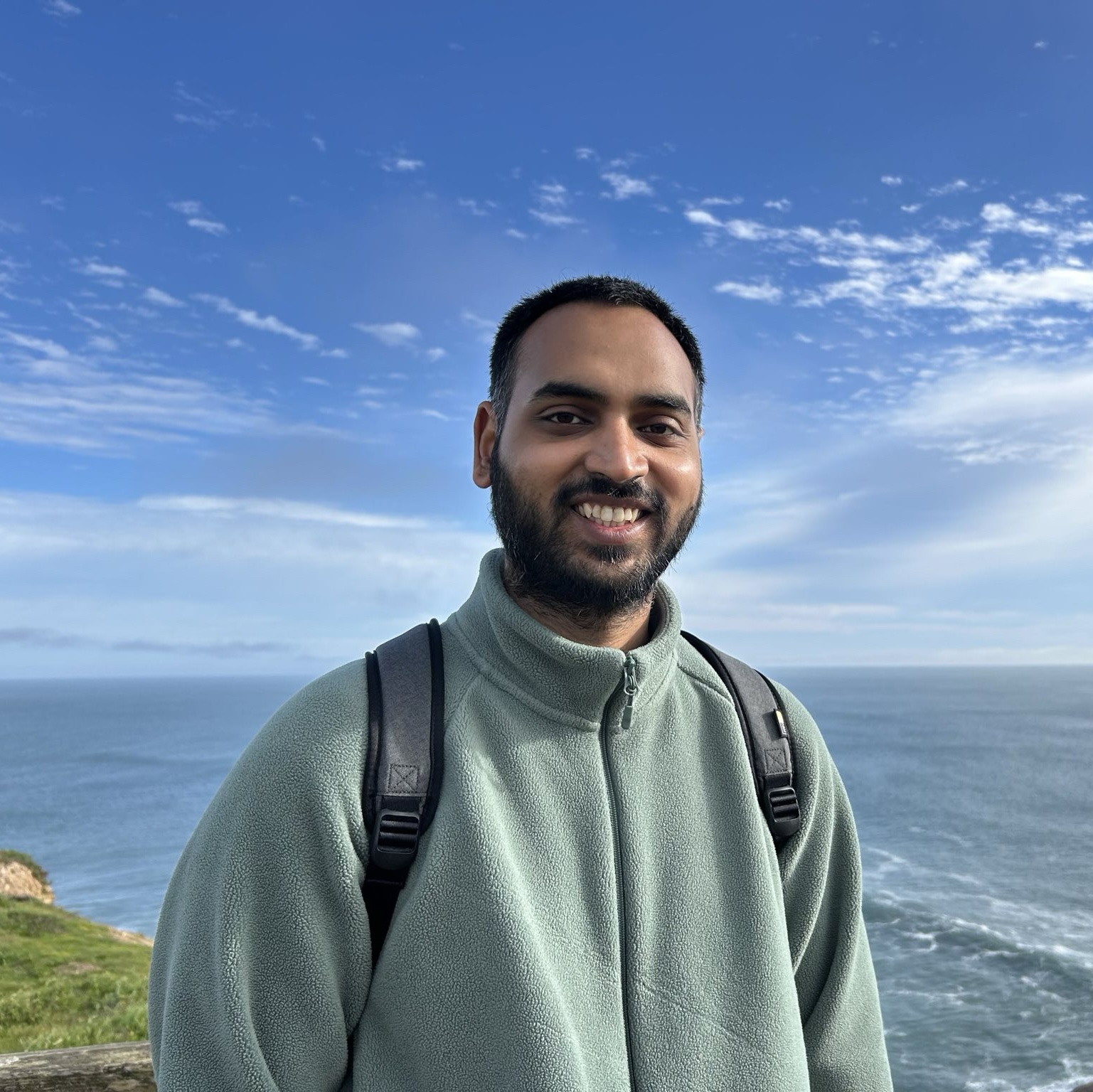
Ekdeep Singh LubanaMember of Technical Staff at Goodfire AI
Organizers
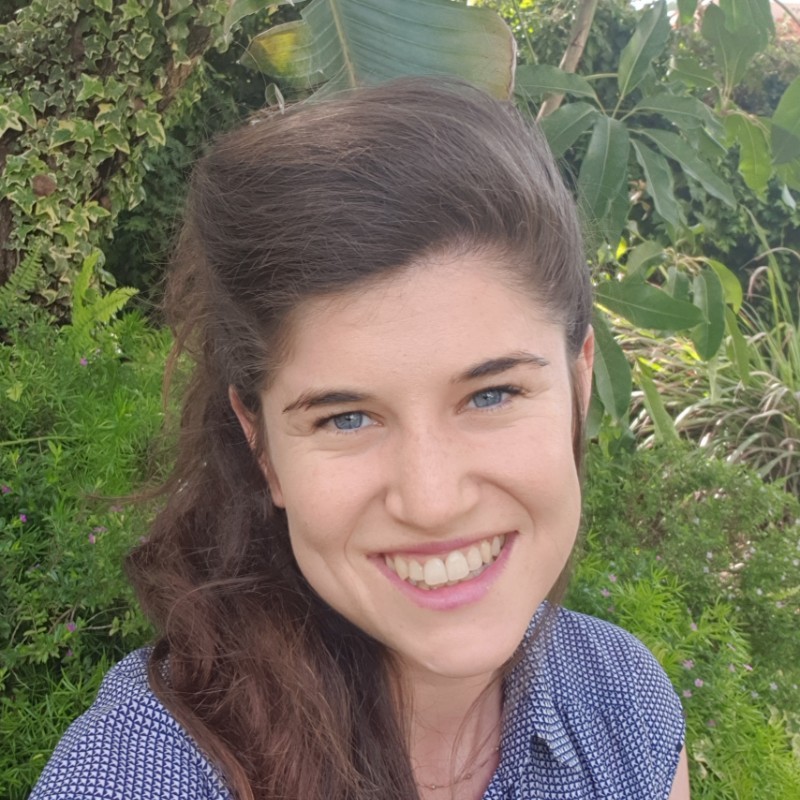
Tal Haklay
Member of technical staff, Goodfire
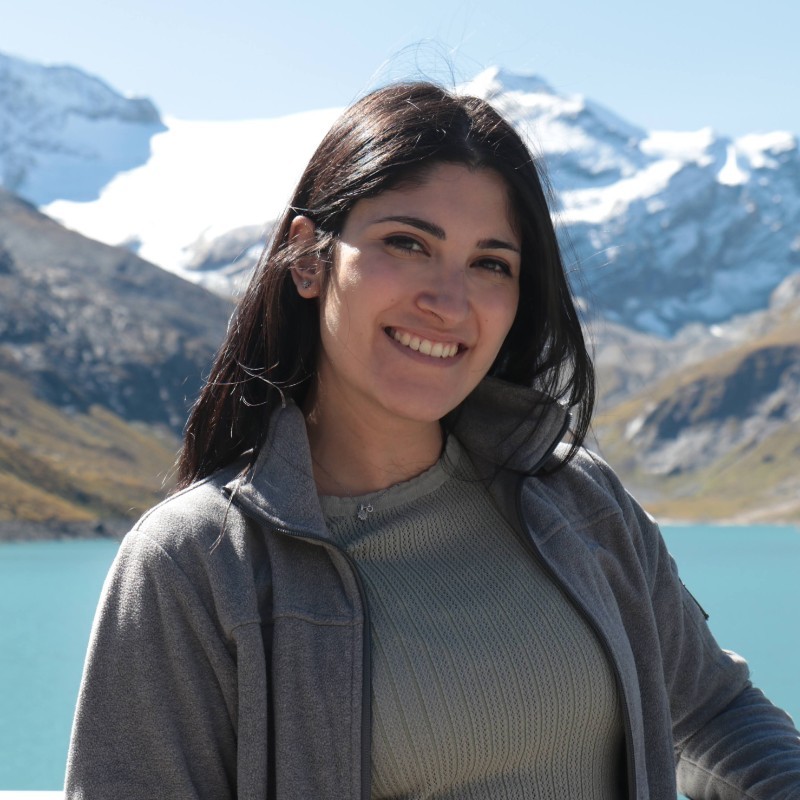
Hadas Orgad
Postdoc, Kempner Institute, Harvard University
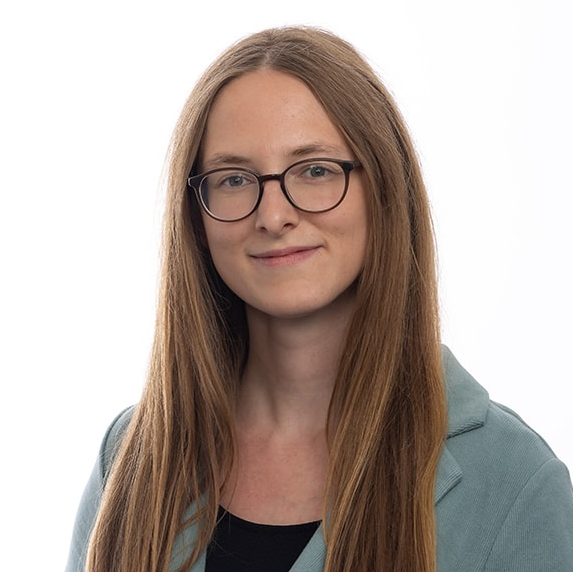
Anja Reusch
Postdoc, Technion
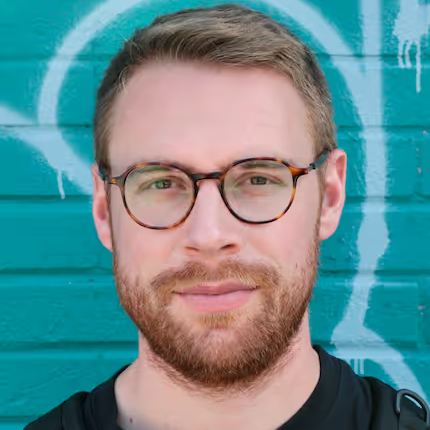
Marius Mosbach
Postdoc, McGill University and Mila – Quebec AI Institute
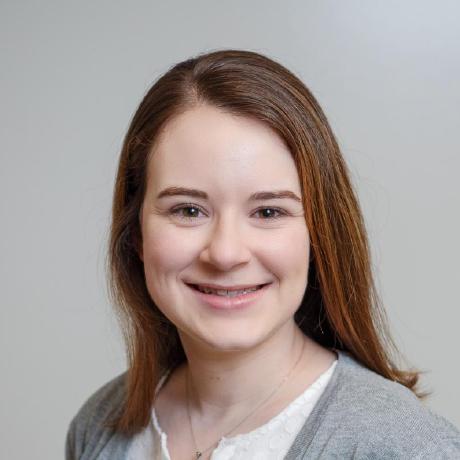
Sarah Wiegreffe
Assistant Professor, University of Maryland
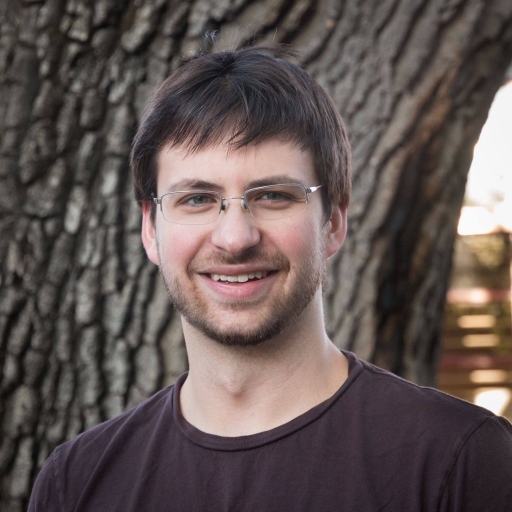
Ian Tenney
Staff Research Scientist, Google DeepMind
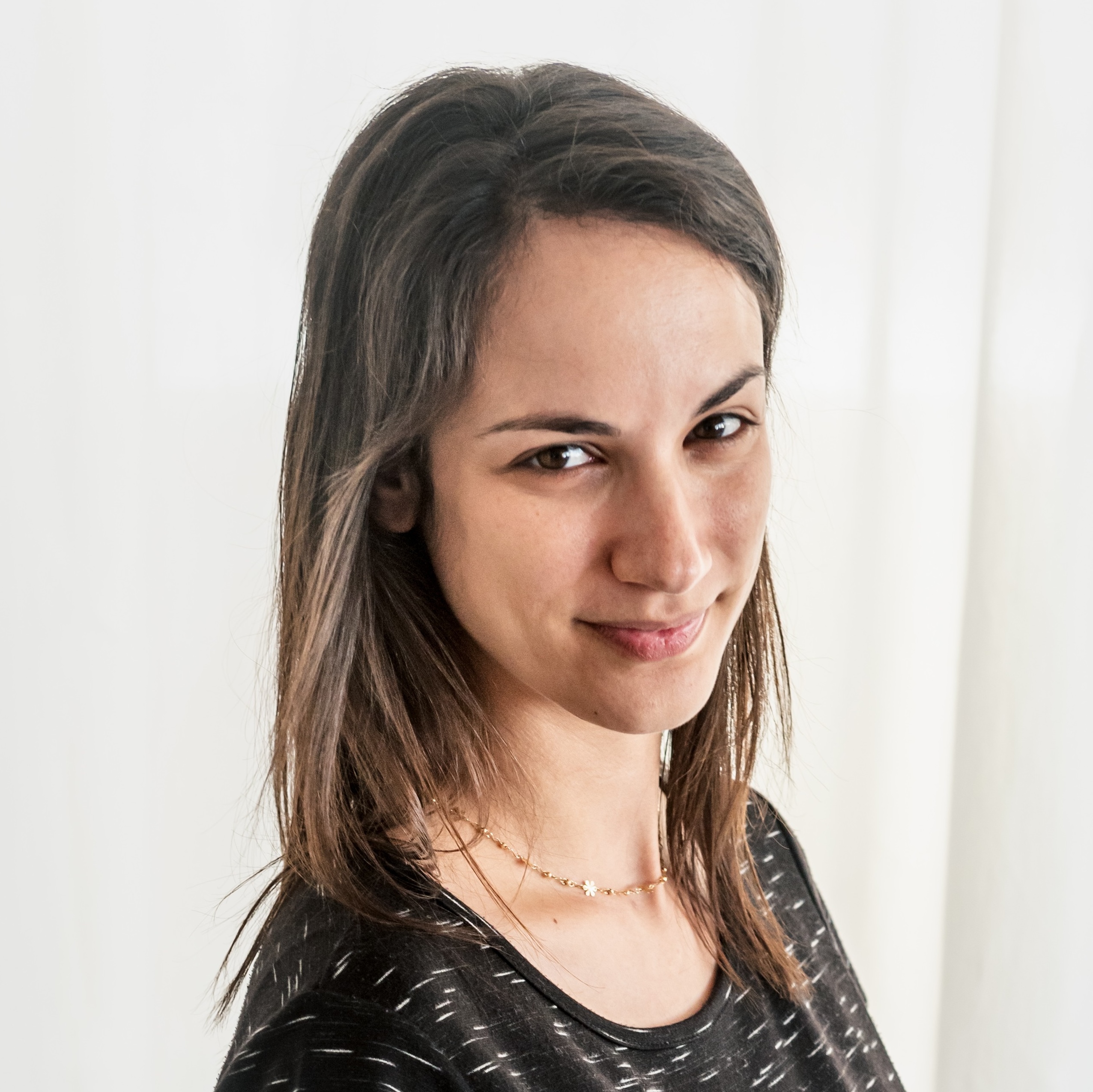
Mor Geva
Assistant Professor, Tel Aviv University
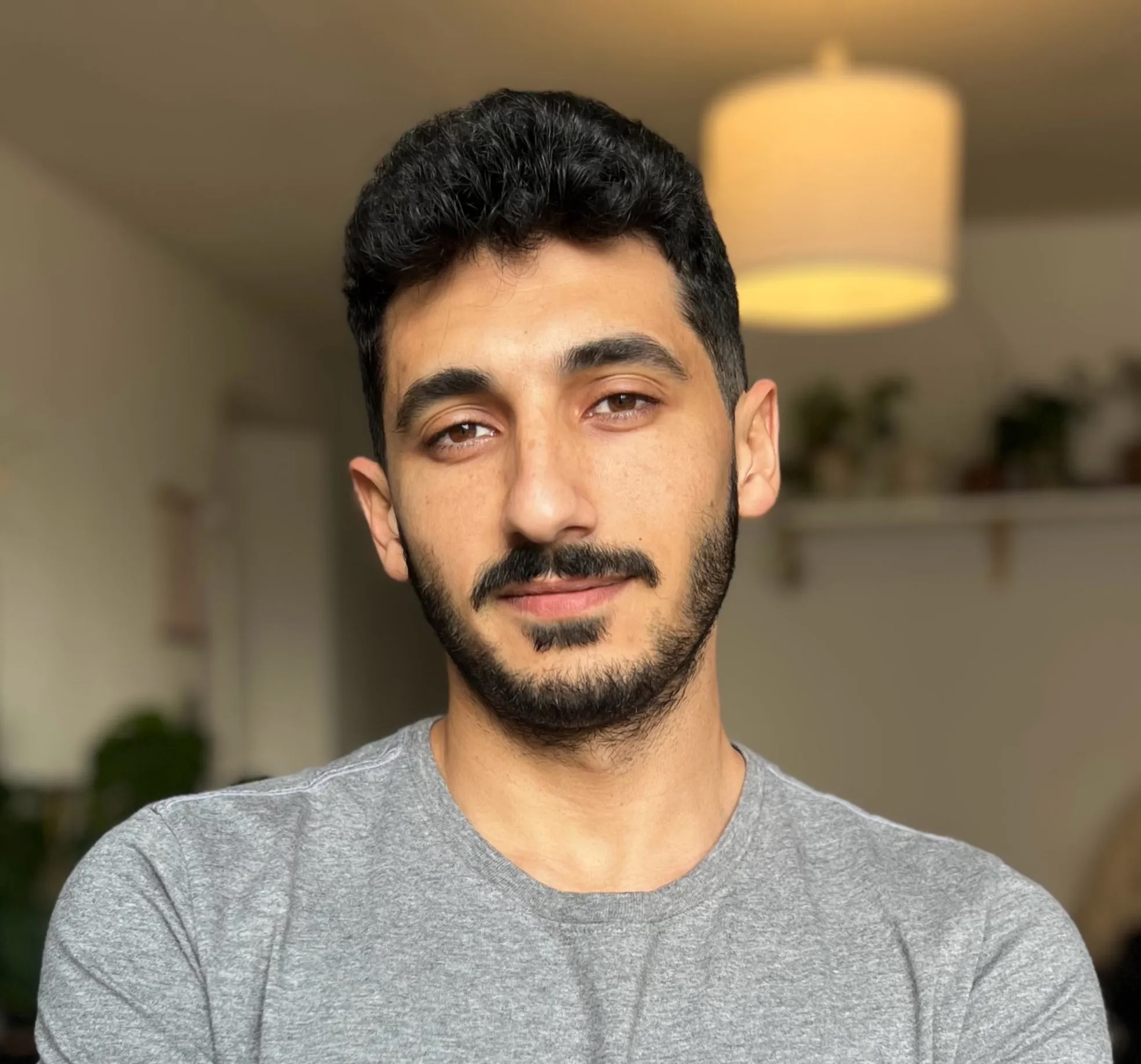
Asaf Avrahamy
Research Engineer, Meta FAIR and M.Sc. student, Tel Aviv University
Sponsors